
About
Our Story
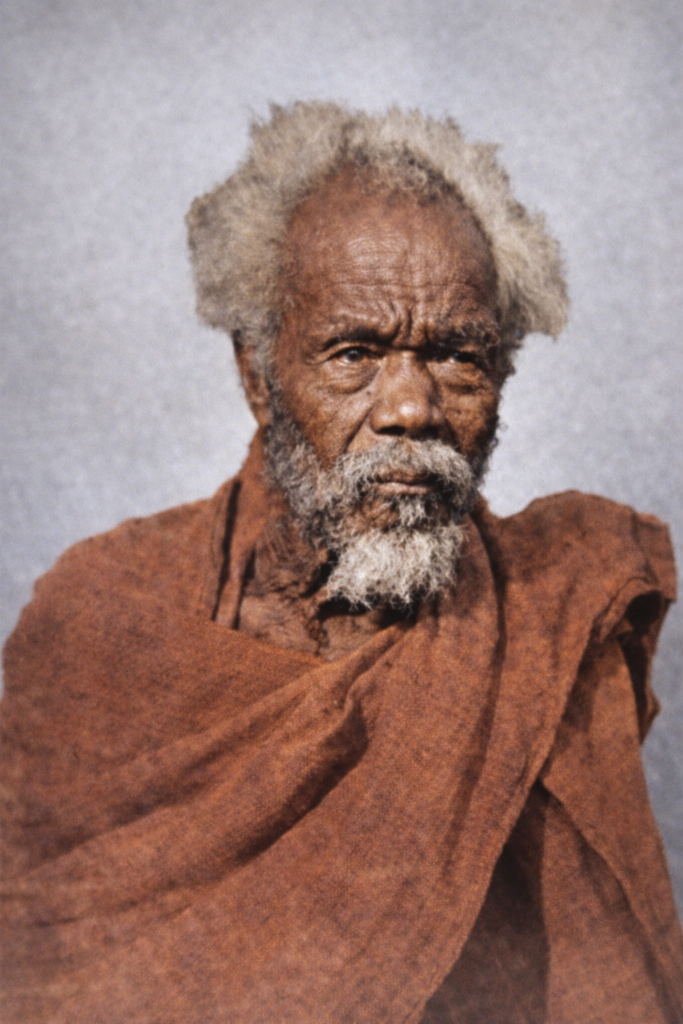
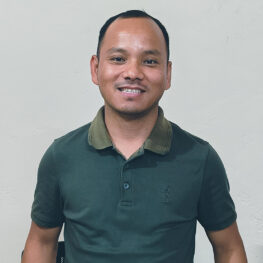
Omed W. Momin
The A∙chik Baptist Dalgipa Krima (ABDK, or in English, the Garo Baptist Convention) is one of the oldest Christian organizations in Northeast India. The ABDK is a religious organization registered under the Societies Act of 1860 (Registration No. MEG.ROS/2020/00285). It is the apex body of Garo Baptist churches across Meghalaya and the two districts of Kamrup and Goalpara in Assam. The headquarters is situated in Mission Compound, Tura City, West Garo Hills District, Meghalaya. The ABDK is also one of the six conventions under the Council of Baptist Churches in North-East India.
The story of the A∙chik Baptist Dalgipa Krima (ABDK) begins with the Christian message conveyed in the text “Apati Nashak” (The Destroyer of Evil). Omed Watre Momin and Ramke Watre Momin, the uncle-nephew duo, were serving in the Assam police. Both happened to stumble upon the small gospel leaflet “Apati Nashak” (The Destroyer of Evil) and were convicted of having a Christian faith because of its contents. It was through the message in this text that two individuals encountered the Living Word, leading to their conversion to Christianity. Thus, they became the first Garos to convert, and both were baptized on 8th February, 1863, at Shukeshwar Ghat, Guwahati.
After conversion, Omed and Ramkhe resigned from their jobs and returned to their own people to evangelize them. They planted the first Baptist Church at Rajasimla Village on 14th April 1867. Over the years, the church grew, and the mission work expanded. The American Foreign Mission Society (ABFMS) was working in Assam for years. Seeing the growing need of the Garo Baptist Church, ABFMS sent the first foreign missionaries to the Garos: Rev. M.C. Mason and Rev. E.G. Phillips, whose wives were siblings and thus related. The ABFMS formally recognized the growth of the Garo churches and established the ABDK in Goalpara on 3rd April, 1875, with its headquarters later moved to Tura in 1878.
The ABDK has now grown to 394,845 baptized members, comprising 21 Baptist associations, 360 autonomous churches, and over 2,900 local congregations, spread across the five Garo Hills districts and extending into parts of the Khasi Hills and the Goalpara and Kamrup Districts of Assam. There is a profound transformation in the story of our Garo Tribe: from a people who once found pride and glory in conflict and violence to a people who now find their honour in sharing the message of good news. At present, GBC has 424 mission workers, including 45 workers outside India, transforming communities and serving people in need. It continues to develop church programs and publications and to educate, develop, and strengthen Christian leaders to impact people’s lives.
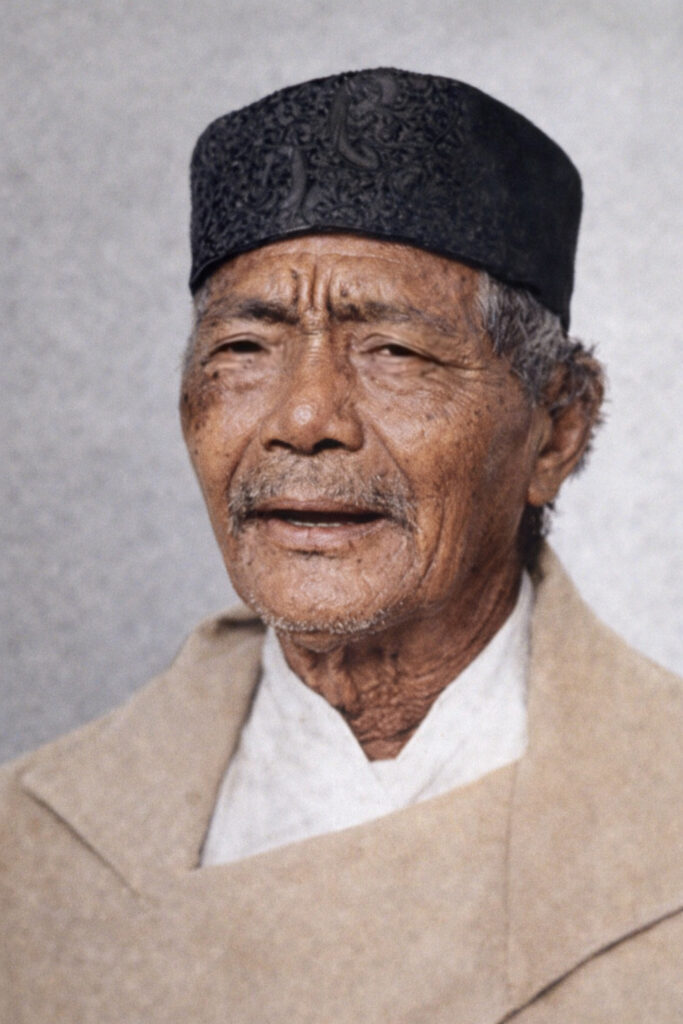
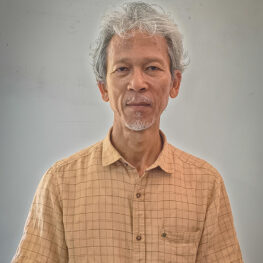
Ramke W. Momin
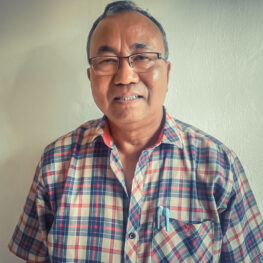
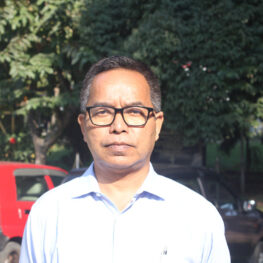
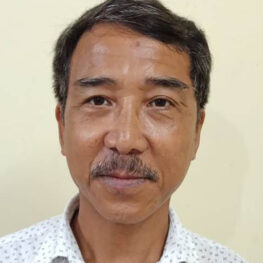
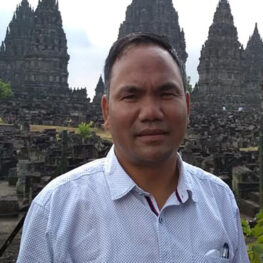
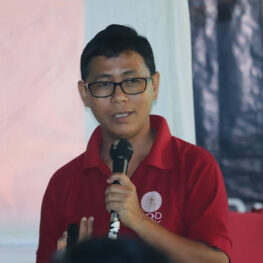
GBC OFFICERS
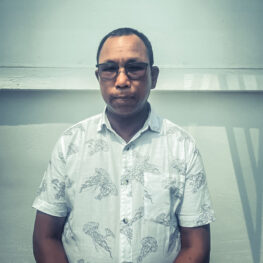
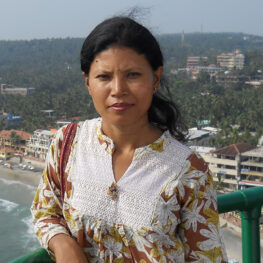
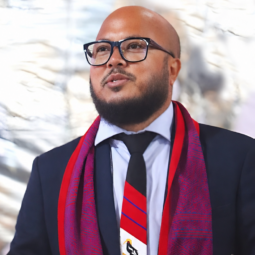
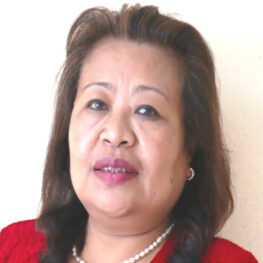
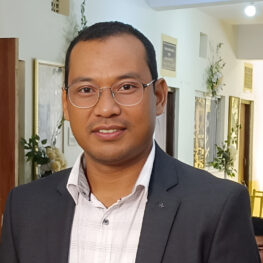
HEADS OF INSTITUTIONS
DR. IMNANUNGSHI IMSONG
MRS. AUDREY R. MARAK
MRS. ANNA ZELDA CH. MOMIN
Dr. JOBLINE D. SHIRA
MRS. NINI M. SANGMA
MR. LOMARIN A. SANGMA
DR. EDITA W. MOMIN
MRS. PELEKI NILOVONA K. MARAK
ASSOCIATIONS LEADERS |
||||
Sl. No. |
Name |
Association |
Address |
|
| 1 | Rev. Dr. Alpha Sengbah D. Marak | Krima No. I | Executive Secretary | alphadmarak@gmail.com |
| 243 churches & | Krima No. I | 70056 45326 | ||
| 44560 baptized members | Village-Nisangram | |||
| P.O. Damra, Dist. Goalpara | ||||
| Assam – 783122 | ||||
| 2 | Rev. Greenfield N. Sangma | Krima No. II | Executive Secretary | field.green@gmail.com |
| 115 churches & | Krima No. II | 70021 88151 | ||
| 19926 baptized members | H.Q. & P.O. Kharkutta | |||
| Dist. North Garo Hills | ||||
| Meghalaya – 794134 | ||||
| 3 | Rev. Jullian Murphy N. Marak | Krima No. III | Executive Secretary | abkrima3@gmail.com |
| 174 churches & | Krima No. III | 70059 08912 | ||
| 23163 baptized members | Krima Office | |||
| Vill & P.O. Baghmara-794102 | ||||
| South Garo Hills, Meghalaya | ||||
| 4 | Rev. Waipin K. Marak | Krima No. IV | Executive Secretary | waipinmarak0008@gmail.com |
| 314 churches & | Krima IV | 70058 91768 | ||
| 56303 baptized members | AB Mission Compound | |||
| P.O. Chandmari, Tura | ||||
| West Garo Hills, Meghalaya-794002 | ||||
| 5 | Rev. Marsil G. Sangma | Krima No. V | Executive Secretary | mgsangma@gmail.com |
| 227 churches & | Krima No. V | 84149 32379 | ||
| 23924 baptized members | P.O.Rongjeng -794110 | |||
| West Garo Hills, Meghalaya | ||||
| 6 | Rev. Wepster G. Sangma | Krima No. VI | Executive Secretary | abkrimavi@rediffmail.com |
| 245 churches & | Krima No. VI | 89740 79636 | ||
| 37391 baptized members | P.O. Ampati- 794115 | |||
| South West Garo Hills, Meghalaya | ||||
| 7 | Mr. Newin R. Marak | Krima No. VII | Executive Secretary | newinmarak177@gmail.com |
| 97 churches & | Krima No. VII, Rongrikimgiri | 89747 00886 | ||
| 13624 baptized members | Vill & P.O. Silkigiri | |||
| South Garo Hills, Meghalaya – 794005 | ||||
| 8 | Rev. Hilary W. Sangma | Krima No. VIII | Executive Secretary | hilarysangma@gmail.com |
| 92 churches & | Krima No.VIII | 70865 07656 | ||
| 11675 baptized members | Christian Centre Gohalkona | |||
| P.O. Gohalkona, Via. Boko | ||||
| Kamrup- 781123 | ||||
| 9 | Mr. Babuth M. Marak | Krima No. IX | Executive Secretary | babuthmarak7@gmail.com |
| 94 churches & | Krima No. IX HQ Damal Asim | 70059 45978 | ||
| 11110 baptized members | P.O. Dadenggre | |||
| West Garo Hills, Meghalaya – 794109 | ||||
| 10 | Mr. Jangnang Terak R. Momin | Krima No. X | Executive Secretary | jangnangmomin87@gmail.com |
| 211 churches & | Krima No. X | 88373 56691 | ||
| 24605 baptized members | H.Q. Shyamnagar, P.O. Shyamnagar | |||
| East Garo Hills, Meghalaya – 794104 | ||||
| 11 | Rev. Dallim S. Sangma | Krima No. XI | Executive Secretary | dallimsangma@gmail.com |
| 87 churches & | Krima No. XI | 94361 55604 | ||
| 16140 baptized members | H.Q Kusimkol (Williamnagar) | |||
| East Garo Hills, Meghalaya – 794111 | ||||
| 12 | Ms. Hannah Mary R. Marak | Krima No. XII | Executive Secretary | hannaraksam7@gmail.com |
| 19 churches & | Krima No. XII | 98639 39922 | ||
| 2015 baptized members | Behind Raj-Bhawan, Bivar Road | |||
| Shillong, East Khasi HillsMeghalaya – 793001 | ||||
| 13 | Rev. Shallim M. Marak | Krima No. XIII | Executive Secretary | marakshallim5@gmail.com |
| 275 churches & | Krima No. XIII, P.O. Dalu Dapgre | 70057 57898 | ||
| 27913 baptized members | West Garo Hills, | |||
| Meghalaya-794005 | ||||
| 14 | Mr. Tangkam Ch. Marak | Krima No. XIV | Executive Secretary | tangkamchmarak@gmail.com |
| 90 churches & | Krima No. XIV, | 88374 84184 | ||
| 11529 baptized members | Vill. & P.O. Raksamgre | |||
| West Garo Hills, | ||||
| Meghalaya-794109 | ||||
| 15 | Mr Dikseng N. Sangma | Krima No. XV | Executive Secretary | diksengsangma@gmail.com |
| 63 churches & | Krima No. XV | 87300 68398 | ||
| 7186 baptized members | Village Chokpot | |||
| P. O. Chokpotgre | ||||
| South Garo Hills, Meghalaya – 794005 | ||||
| 16 | Rev. Sandister G. Momin | Krima No. XVI | Executive Secretary | mominsandi@gmail.com |
| 124 churches & | Krima XVI | 87949 03328 | ||
| 21779 baptized members | Vill. & P.O. Resubelpara | |||
| North Garo Hills, Meghalaya – 794108 | ||||
| 17 | Rev. Enbirth K. Marak | Krima No. XVII | Executive Secetary | marakenbirth90@gmail.com |
| 202 churches & | Krima XVII | 87874 96925 | ||
| 27118 baptized members | Vill. & P.O. Bajengdoba | |||
| North Garo Hills | ||||
| Meghalaya – 794002 | ||||
| 18 | Ms Sangeeta Arengh | Krima No. XVIII | Executive Secretary, | geetarengh9@gmail.com |
| 38 churches & | Krima No. XVIII | 92332 68985 | ||
| 4311 baptized members | Village & BPO Puksora | |||
| West Khasi Hills, Meghalaya – 793106 | ||||
| 19 | Mr. Leobirth C. Marak | Krima No. XIX | Executive Secretary, | leobirthchadhamk@gmail.com |
| Krima No. XIX | 70058 49003 | |||
| Village & BPO Okkapara | ||||
| South West Garo Hills, Meghalaya – 793105 | ||||
| 20 | Rev. Benedick D. Momin | Krima No. XX | Executive Secretary, | |
| Krima No. XX | 9864380093 | |||
| Village & PO Chotipara | ||||
| Goalpara, Assam – 783126 | ||||
| 21 | Rev. Windarse R. Marak | Krima No. XXI | Executive Secretary | rangsawinder@gmail.com |
| Krima No. XXI, P.O. Asanang | 7085368689 | |||
| West Garo Hills, | ||||
| Meghalaya-794002 | ||||
ABDK Office Staff
Orsus R. Marak, Driver
Ampu Ch. Marak, LDA
Junty M. Sangma